AI Shopping Helper for Vans: Rare Finds & Fit Checks
What an AI shopping helper adds to the Vans hunt
Buying Vans sounds simple until you’re juggling overlapping model names, retailer-specific color labels, and listings that call everything “limited.” An AI shopping helper acts like a fast, consistent second brain: it turns a fuzzy idea like “clean skate shoe” or “chunkier but still classic” into specific model suggestions and search terms you can actually use. For more guidance, see [PDF] On the Opportunities and Risks of Foundation Models.
It also helps you compare close cousins (Old Skool vs. Era vs. Authentic) based on real-world factors like structure, padding, and materials instead of just photos. For marketplaces, it can generate a quick checklist for reviewing listings—photos, SKU/style code, seller history, and return rules—so you don’t impulse-buy the wrong variant. The biggest win is organization: a consistent naming system for saved finds (model + colorway + style code + condition) keeps “almost the same pair” from getting mixed up across tabs, apps, and screenshots. For further reading, see [PDF] DL 650, California Commercial Driver Handbook.
When you’re hunting rare or discontinued colorways, an AI helper can expand your keyword universe with alternative phrases, regional naming quirks, collab terms, and material descriptors (like “gum sole,” “pig suede,” or “canvas/suede mix”) so you’re not stuck searching the same two words repeatedly.
Start with the right model: quick decision cues
Choosing the correct Vans model first makes every later step faster—especially sizing and deal-hunting. If you want a minimal, low-profile look, Authentic is the classic starting point. Era keeps a similar silhouette but adds a bit more collar padding, which is why it’s often a “daily pair” pick. Old Skool brings more structure and the iconic side stripe, plus endless material swaps and collaborations. Sk8-Hi adds ankle coverage and a statement shape that works well in cooler weather. Slip-On is the quickest on/off, but fit can be pickier—heel slip and instep tightness matter.
Model cues for fit, feel, and typical use
| Model | Profile | Comfort notes | Best for | What to watch |
|---|---|---|---|---|
| Authentic | Low, minimal | Less padding; flexible | Everyday casual, warm weather | Canvas stretch; toe box feel |
| Era | Low, slightly cushioned | More collar comfort | All-day wear, casual skate-inspired looks | Collar wear; variant differences |
| Old Skool | Low, structured | More support than minimal models | Versatile styling, frequent colorway drops | Material swaps; “platform” vs standard |
| Sk8-Hi | High top | More coverage; can feel warm | Layered outfits, cooler seasons | Ankle fit; break-in time |
| Slip-On | Low, laceless | Depends on upper elasticity | Quick errands, clean silhouettes | Heel slip; tight instep |
Sizing and comfort: reduce returns and regret
Before you hunt deals, lock down fit. Measure foot length and width and keep the results in both inches and centimeters so you can reference size charts quickly. If you’re between sizes, make the decision based on the model’s profile: minimal pairs often feel better with secure heel hold, while more structured uppers can punish a cramped toe box.
Material matters more than most listings admit. Canvas commonly relaxes with wear, while leather and suede can feel firmer early on but hold shape longer. Decide your sock approach upfront—no-shows versus crew socks changes how Slip-Ons and tighter profiles feel across the instep and heel. When browsing, look for insole and construction clues in photos and descriptions; skate-focused versions often emphasize durability and cushioning, which can change the underfoot feel even if the shoe “looks the same.”
A repeatable workflow for finding rare colorways and clean deals
1) Define must-haves vs. nice-to-haves
2) Generate search variations that match how sellers write
3) Search across categories, then consolidate
4) Set alerts with time awareness
5) Compare details to official references
When possible, compare listing photos to official images and known product details—tongue tag placement, outsole pattern, stitching density, and material panels. Vans’ official site is a useful baseline for current line details: Vans (Official Site).
Listing verification and authenticity checks for marketplaces
Keep a simple tracker to avoid duplicate buys and missed restocks
What’s inside the AI Shopping Helper for Vans eBook
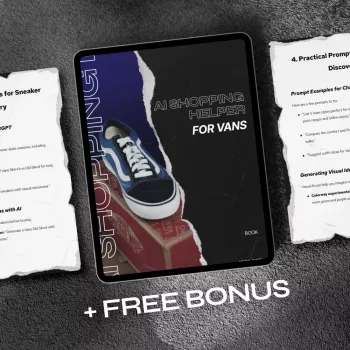
If you want the workflow packaged and ready, AI Shopping Helper for Vans – The Ultimate AI Shopping Helper Vans eBook Guide to Smarter Sneaker Finds, Rare Style Discovery & ChatGPT Prompts focuses on turning style goals into targeted searches, building shortlists you can compare quickly, and using practical checklists to reduce returns and common buying traps.
For buyers also building a cleaner everyday wardrobe around sneakers, Nike Minimalist Sneaker Outfits Guide – Modern Capsule Wardrobe Styling eBook & Checklist for Effortless Everyday Looks pairs well with a “one good pair” approach—fewer shoes, better outfit clarity.
Who this guide fits best
FAQ
How can AI help find rare Vans colorways more reliably?
It expands your keyword set (materials, color synonyms, collab terms), keeps your searches consistent across retailers and marketplaces, and supports an alert-and-tracker routine so you can compare options instead of forgetting what you already found. Pair that with verification steps (photos, style code, seller protections) to reduce false “rare” listings.
What details should be checked before buying Vans from a marketplace listing?
Ask for the style code/SKU and a clear size tag photo, then check stitching, outsole pattern, and overall photo consistency. Confirm seller ratings, return window, protected payment methods, and tracked shipping before paying.
Is an eBook useful if the goal is just one everyday pair of Vans?
Yes—because the same workflow speeds up model selection, improves sizing confidence, and helps you avoid the wrong variant (like platform vs. standard) or an overpriced listing. A little structure up front often prevents the most common “buy twice” mistakes.










Leave a comment