Make Money After Dark: Night Gigs, Safety & a 90-Min Plan
Late Hours, Real Opportunity: A Night-Friendly Way to Earn
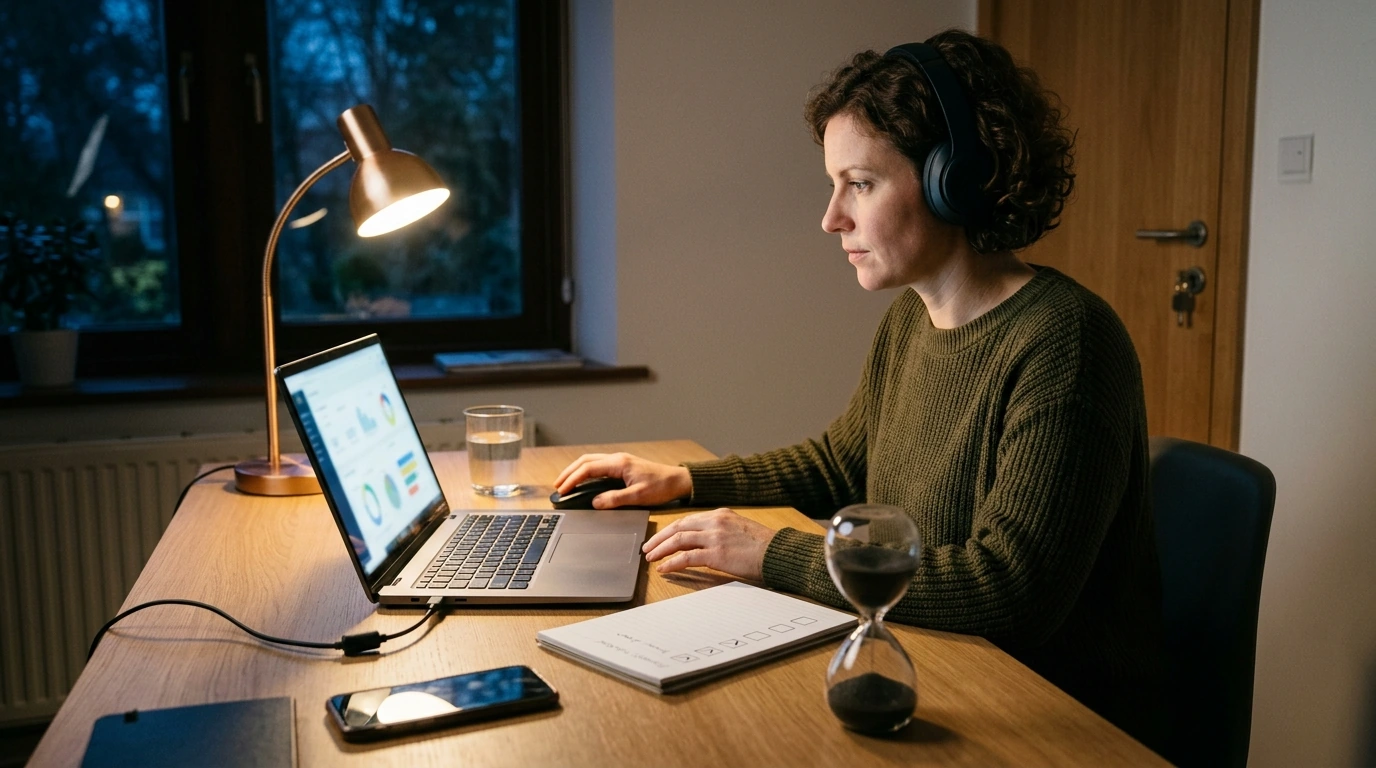
Evenings can be a hidden advantage for earning extra income: fewer interruptions, quieter neighborhoods for deliveries, and customers who still need help after typical business hours. The key is treating night work like a repeatable system—choose a safe option, set up the basics once, and track results so each session builds momentum instead of starting from zero.
If you want a simple structure you can follow at 10 pm without overthinking, start with The Ultimate Checklist for Making Money After Dark and commit to one track for at least a week.
What “after dark” work looks like (and why it can pay)
Night income usually falls into three formats:
- Remote gig work: chat support, transcription, moderation, tutoring across time zones, and other quiet tasks you can do from home.
- Local night demand: food delivery, rideshare, overnight retail, event staffing, or stocking shifts when fewer people want the hours.
- Asynchronous digital income: selling templates, checklists, printables, short guides, or stock media that can sell while you sleep.
The best fit depends on your night energy, noise limits, transportation, and comfort with customer interaction. There are also trade-offs to plan for—safety, sleep debt, and peak hours that can shift by neighborhood or season.
A practical approach is to pick one primary income stream (your default) and one backup option for slow nights. That keeps you earning even when demand dips.
The after-dark income checklist (start here)
Before you chase apps, gigs, or ideas, lock in a routine:
- Choose a time window (like 8–11 pm or 10 pm–1 am) and protect it on your calendar.
- Set a nightly target (earnings or tasks completed) and a weekly review time.
- Prepare a dedicated workspace: charging cables, headphones, water, and a clear surface.
- Confirm essentials: ID verification, payout method, and a separate email for gig accounts.
- Create a 5-minute start ritual: open tools, queue tasks, and turn on focus mode.
- Use a simple tracker: date, hours, tasks, gross earnings, fees, and notes.
- Set a stop rule: fixed end time or a minimum sleep window to protect next-day performance.
Night Work Setup Checklist
| Item | Why it matters | Quick standard |
|---|---|---|
| Payment & payout setup | Avoid delays and failed transfers | Verified account + payout method tested |
| Device readiness | Reduces friction and downtime | Charged to 80%+ and updated |
| Noise control | Improves call quality and focus | Headphones + quiet space plan |
| Security basics | Protects identity and accounts | Unique passwords + 2FA enabled |
| Night routine | Consistency increases output | Same start time, same first task |
Pick a lane: night income options that work with different lifestyles
Remote and quiet (good for apartments or shared homes)
Local and demand-driven (best when you can move fast and stay alert)
Creator and digital (slower start, compounding upside)
If you’re unsure where to start, use this rule of thumb: choose the option with the shortest path to first payout, then upgrade once you have consistency. A simple weekly goal system can help you stick to one track long enough to see results—Purposeful Progress: How to Set Goals with Kaizen & Ikigai is a practical way to set targets without making them so intense they burn you out.
Safety and boundaries for working at night
For scam awareness and reporting steps, the Federal Trade Commission’s scam guidance is a reliable reference, especially if you’re joining new platforms or responding to late-night “too good to be true” offers.
Nightly workflow: a 90-minute repeatable sprint
Example After-Dark Sprint Plan
| Time block | Focus | Output to record |
|---|---|---|
| 10 min | Prep and queue tasks | Task list + timer started |
| 60 min | Primary work | Units completed / bookings / deliveries |
| 15 min | Admin and follow-ups | Messages sent, invoices logged |
| 5 min | Next-step planning | First task for next session |
Make it sustainable: track profit, not just payouts
Once you hit a consistent baseline, tighten your selection: decline low-paying gigs, batch similar tasks to reduce context switching, and raise rates where you control pricing. If you want context on how Americans allocate time (helpful when planning a realistic night schedule), the U.S. Bureau of Labor Statistics American Time Use Survey is a useful benchmark source.
A fast-start option: use a ready-made checklist
A structured checklist removes late-night decision fatigue and gives you a clear order of operations: setup, pacing, and tracking. The Ultimate Checklist for Making Money After Dark is designed for quick implementation—pick a lane, run the routine, and review results after 7–14 nights before making big changes.
If your night work includes meeting customers, interviewing for shifts, or showing up to on-site gigs, keeping your look simple and put-together can reduce friction and boost confidence. Nike Minimalist Sneaker Outfits Guide – Modern Capsule Wardrobe Styling eBook & Checklist can help you build quick, repeatable outfits that work for late shifts and daytime responsibilities.
FAQ
What are realistic ways to make money at night without a car?
Remote options like chat support, transcription, tutoring across time zones, freelance writing/design, and selling digital downloads can work well without transportation. If you prefer local work, look for walkable overnight shifts in retail, hospitality, or nearby venues, and choose based on your noise limits and comfort with customer interaction.
How many hours a night should be set aside to see results?
Sixty to 120 minutes is a sustainable baseline for most people, especially when you’re building consistency. Run a two-week test, track net profit per hour, and adjust the time window once you see which nights and tasks perform best.
How can night work stay safe and not ruin sleep?
Use a fixed stop time, set a caffeine cutoff, and follow a short wind-down routine so sleep doesn’t get pushed endlessly later. For local gigs, share your location and plan with someone you trust, stick to well-lit areas, and choose quieter remote work when safety feels uncertain.













Leave a comment